
If you experience jaw pain, clicking sounds, or frequent headaches, you may be dealing with TMJ disorder. This condition affects the jaw joints and surrounding muscles, often making everyday activities like chewing and speaking uncomfortable. Many patients wonder whether Invisalign can fix TMJ disorder. The answer depends on the underlying cause of your symptoms.
What Causes TMJ Disorder?
TMJ disorder can develop for several reasons, including bite misalignment, teeth grinding (bruxism), stress, arthritis, or injury. Because there are multiple causes, there isn’t a one-size-fits-all solution.
If your TMJ symptoms are related to how your teeth come together—also known as your bite—orthodontic treatment like Invisalign may help.
How Invisalign Can Help
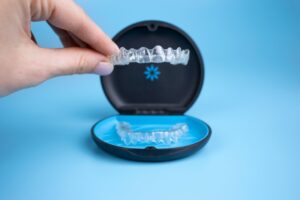
Invisalign works by gradually shifting your teeth into better alignment using a series of clear, custom-made aligners. If your bite is uneven, it can place extra stress on your jaw joints. Over time, this strain can contribute to TMJ discomfort.
By correcting misalignment, Invisalign can help distribute bite pressure more evenly. This may reduce stress on the jaw and alleviate symptoms such as pain, tension, and clicking.
Some patients also find that wearing aligners provides a slight cushioning effect, which can reduce the impact of grinding or clenching.
When Invisalign May Not Be Enough
While Invisalign can be beneficial in certain cases, it is not a direct cure for TMJ disorder. If your symptoms are caused by factors like muscle tension, joint inflammation, or chronic grinding, additional treatments may be necessary.
Your dentist may recommend a nightguard, physical therapy, stress management techniques, or medication to address these underlying issues.
The Importance of a Proper Diagnosis
Before starting Invisalign for TMJ concerns, it’s essential to get a thorough evaluation. Your dentist will assess your bite, jaw movement, and overall oral health to determine whether Invisalign is an appropriate option.
A correct diagnosis ensures that you receive the most effective treatment for your specific condition.
A Combined Approach Often Works Best
In many cases, TMJ disorder is best managed with a combination of treatments. Invisalign may play a role in improving alignment, while other therapies address muscle or joint-related factors.
If your TMJ symptoms are linked to bite issues, Invisalign could be a helpful part of your treatment plan. However, it’s important to understand that results vary depending on the cause of your condition. By working closely with your dentist, you can create a personalized approach that targets both your discomfort and your smile, helping you achieve better function and long-term relief.
About the Author
Dr. Jason Aptaker has served the dental needs of the Manasquan community for more than 10 years. He earned his Doctor of Dental Medicine degree at the University of Medicine and Dentistry of New Jersey before completing a General Practice Residency at Robert Wood Johnson University Hospital in New Brunswick. Dr. Aptaker has also completed extensive postgraduate training in dental implants, cosmetic dentistry, and complex dental rehabilitations. If you’re looking for a straighter, healthier smile with Invisalign, we can help! Just book an appointment online or call (732) 223-9199.